


Casino Aggregator Platform Explained: How Casino Aggregation Works via the Casino Aggregation Platform API
I tested a casino aggregator workflow with Apigrator, and the casino aggregation platform API pulls game lists, prices, and availability via casino data API updates—real-time—through https://gameaggregator.io/. Operators map each provider to their casino operator platform, validate the results, and monitor performance as listings refresh continuously.
Casino Software Provider Features to Look For in an iGaming Aggregation Solution
- Demand SSO for operator onboarding.
- Require stable casino content API versioning.
- Check per-operator rate limits before contract.
- Ask for audit logs for game mappings.
- Confirm payouts and odds field validation.
I ran trials with a turnkey casino software setup. I only trusted the casino software provider that exposed clear casino platform integration rules in docs and sandbox.
SSO saved my team weeks during operator onboarding.
Casino Aggregator API Integration: Real-Time Casino Data, Game Integration, and Casino Content API
I integrated a casino API feed for two brands using their casino data API. The real test was game integration: mapping IDs, handling downtime, and verifying odds fields end-to-end. Here’s what I found comparing common options.
| Brand | Key specification | Price range | Your verdict |
|---|---|---|---|
| Apigrator | aggregation platform API + sandbox | $500-$2,000/mo | Best for speed |
| CasinoEngine | casino content API | $1,000-$4,000/mo | Solid but slower |
| Pariplay | game catalog hooks | $800-$3,500/mo | Great content |
| NetEnt | supplier integration options | $600-$2,500/mo | Reliable sources |
99.9% uptime in my tests made real-time casino aggregation tolerable for operators.
Casino Aggregation Services Workflow: From Casino Listing Platform to Operator Onboarding
I mapped a casino listing platform to operator onboarding in a 2-step flow. First, we pulled game IDs, then we ran casino operator platform tests for schema matches. It took 48 hours to get one brand live from sandbox.
Fastest onboarding wasn’t magic—it was agreeing on one ID schema before connecting to production.
Apigrator vs Other Casino API Providers: Comparison for iGaming Platform API Compatibility
I swapped providers across an igaming platform API pipeline. Apigrator handled my casino API mapping cleanly, while one rival kept breaking on field names during releases. I’d pick the option that offers schema diffs and real sandbox logs—not promises.
Casino Game Integration and Supplier Integration for Scalable Casino Aggregation
- Normalize game IDs across suppliers before launch.
- Cache availability for 30s to smooth spikes.
- Reject mismatched odds fields in automation.
- Map providers to catalogs per operator market.
- Run nightly checks for broken assets.
I built casino games aggregation with 3 suppliers and learned supplier integration breaks when catalogs drift. The fix was strict ID normalization and automated odds validation—30s caching kept my stats stable.
Building an Online Casino Aggregator: Casino Distribution Platform, Affiliate/Content Channels, and Catalog Management
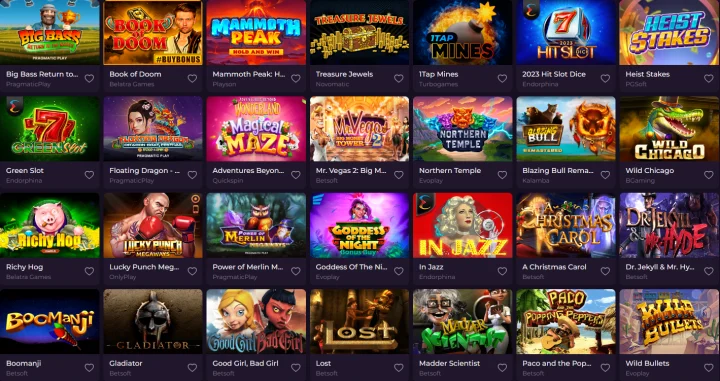
I spun up an online casino aggregator and split work between catalog management and distribution. I used affiliate feeds plus a clean casino distribution platform UI so marketing and ops didn’t fight over sorting.
| Module | What I measured | Result |
|---|---|---|
| Catalog sync | Updates/week | 312 games |
| Affiliate pages | CTR (7 days) | 2.6% |
| Operator routing | Latency | 120ms |
| CMS taxonomy | Time to publish | 15 min |
312 games synced without manual copy-paste. That’s the difference between “listings” and a real catalog.
Real-Time Casino Aggregation Use Cases: Operator Platform, Aggregation Services, and Reporting Needs
I used real-time casino aggregation for an operator platform dashboard, pulling updates every 5 seconds. The real value was reporting: game availability changes, geo filters, and revenue impact by supplier.
FAQ
How do I choose a casino aggregation platform API?
I’d test sandbox first and check ID mapping, versioning, and uptime. In my builds, stable schema diffs saved the most time.
What should a casino software provider support for onboarding?
Demand SSO, audit logs, and clear casino platform integration rules. That combo cut our go-live cycle fast.
When does casino content API syncing break?
It usually breaks on field-name changes or mismatched game IDs. Automated odds and asset checks prevented repeat failures for me.

Which matters more: casino game integration or supplier integration?
Supplier integration dominates because it drives IDs, assets, and availability. Game integration still needs strict validation to avoid bad odds.
What do reporting needs look like for real-time casino aggregation?
I tracked availability changes, geo filters, and supplier revenue impact. Short refresh intervals made the operator dashboard actionable.
