


The Allure of Gambling: Understanding the Attraction
The psychological allure of gambling in casinos begins with the inherent nature of risk and reward. For many individuals, the possibility of winning a substantial jackpot can be exhilarating, triggering the release of dopamine in the brain, akin to the pleasures derived from food or social interactions. This biochemical reaction reinforces the behavior, making players more inclined to return to the gaming floor in pursuit of that euphoric rush. Additionally, many find that they enjoy playing games like payid online pokies as they immerse themselves in the thrilling atmosphere, all of which encourage players to take risks and engage in gaming activities.
Moreover, the concept of “near misses” significantly impacts gambling psychology. Players often experience a sense of excitement even when they don’t win, as the brain interprets these near-wins as almost successful outcomes. This phenomenon can create a false sense of confidence, driving players to continue gambling in the hope of achieving that elusive win. For instance, when a player spins the reels of a slot machine and sees two matching symbols followed by a losing symbol, the experience can feel rewarding. This leads them to believe that a win is just around the corner, further entrenching them in the cycle of gambling.
Additionally, social influences play a substantial role in the attraction of casinos. Many individuals view gambling as a communal activity, whether it’s enjoyed with friends or strangers. This social aspect enhances the overall experience, promoting a sense of belonging and shared excitement. The immersive environment of a casino fosters connections between people, which can further entice individuals to engage in gambling behaviors, feeding off the energy and enthusiasm of those around them. This communal atmosphere creates an environment where the thrill of gambling is amplified, making it a key part of the casino experience.
The Role of Cognitive Biases in Gambling Decisions
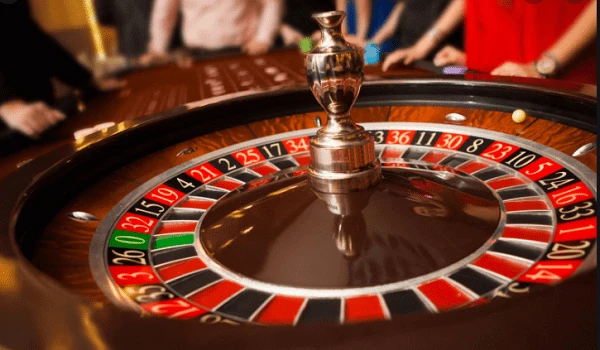
Cognitive biases are mental shortcuts that the brain employs to facilitate quick decision-making, and these can significantly influence gambling behavior. One prevalent bias is the gambler’s fallacy, where individuals mistakenly believe that past outcomes influence future results. For example, a player might think that if a roulette wheel has landed on red multiple times, black is “due” to occur next. This misconception can lead to misguided betting strategies, often resulting in greater losses as players chase their perceived luck, convinced that they can outsmart chance.
Another noteworthy cognitive bias is overconfidence, where gamblers may overestimate their ability to predict outcomes. This is particularly prevalent among players who have experienced a few wins, leading them to believe they possess an inherent skill in games of chance. This overconfidence can result in players betting larger amounts than they should, convinced that their luck will continue. The cycle of winning and losing can be challenging to break, often leading to sustained gambling behaviors and increased financial risk as players chase after their perceived winning streaks.

Lastly, confirmation bias also plays a role in gambling decisions, where individuals selectively seek out information that supports their pre-existing beliefs about gambling. For instance, a player who believes they have a winning strategy may only remember instances where they won while conveniently ignoring their losses. This selective memory reinforces their behavior, contributing to a persistent engagement with gambling and a misguided belief in their luck or strategy, despite contrary evidence. Understanding these cognitive biases is crucial for gamblers to make informed decisions and avoid falling prey to irrational thought patterns.
The Impact of Environment on Gambling Behavior
The environment within casinos is meticulously crafted to enhance the gambling experience and promote continued play. Factors such as layout, lighting, and sound all significantly contribute to how players engage with games. For example, casinos often employ open floor plans devoid of windows and clocks, creating a sense of timelessness that encourages players to lose track of both time and money. This deliberate design can lead to prolonged gambling sessions, as players may become engrossed in the experience, unaware of how much they have spent or how long they have been playing.
Moreover, the sensory experiences within a casino play a pivotal role in influencing players’ behavior. The sounds of slot machines celebrating wins, the excitement of table games, and even the aroma of food can create a stimulating environment that encourages players to stay engaged. This sensory bombardment heightens emotional responses, drawing players deeper into the gaming experience and making them less aware of their spending and time commitment. The combination of visual, auditory, and olfactory stimuli creates an immersive experience that can be hard to resist.
In addition to the physical design, the social environment is also crucial. The presence of other players can amplify the excitement of gambling, creating a collective energy that enhances the experience. Casinos often host events or tournaments to foster camaraderie and competition, further solidifying social bonds and encouraging participation. This social aspect, combined with the enticing physical environment, serves to deepen the psychological hold that gambling has over individuals, as they seek not just financial gain but also social interaction and validation.
Addiction and Behavioral Consequences of Gambling
The potential for gambling addiction exists due to the reinforcing nature of the behaviors and the surrounding environment. Problem gambling can develop when individuals begin to prioritize gambling over other essential aspects of their lives, leading to negative consequences in relationships, work, and finances. The thrill associated with gambling can be so compelling that individuals may resort to dishonest behaviors, such as borrowing money or stealing, to fund their habits. This downward spiral can have devastating impacts on mental health, leading to anxiety, depression, and feelings of isolation as individuals grapple with the consequences of their actions.
Furthermore, the stigma associated with gambling addiction often prevents individuals from seeking help. Many may feel ashamed of their gambling behaviors and the harm they cause, leading to a cycle of denial and continued play. This stigma can also affect relationships, as loved ones may struggle to understand the compulsion to gamble and the complex psychology behind it. Overcoming this stigma is vital for recovery, encouraging individuals to seek support and counseling without fear of judgment or ostracism.
It is essential for individuals to recognize the signs of problem gambling and seek help early. There are numerous resources available, including counseling services, support groups, and treatment programs tailored for those struggling with gambling addiction. Providing education about the risks and consequences associated with gambling can foster awareness and promote responsible gambling practices. Understanding that gambling can be a form of entertainment rather than a means to solve financial problems is crucial for ensuring that individuals can enjoy the experience without succumbing to its potential hazards.
Further Resources and Information
For those intrigued by the psychology of gambling and its implications, numerous resources are available to delve deeper into this fascinating topic. Educational websites, articles, and studies shed light on the complex interplay between gambling behavior and psychological factors. Understanding the motivations behind gambling can provide valuable insights for both players and industry professionals alike, helping to create a more informed approach to gambling and its consequences.
Moreover, responsible gambling initiatives have emerged to promote safe practices and harm minimization for players. These programs often provide tools for self-assessment, guidelines for responsible gambling, and support networks for those in need. By fostering an environment that prioritizes player well-being, the gambling industry can strive to create a more sustainable and enjoyable experience for all participants. This proactive approach can help mitigate the risks associated with gambling while still allowing individuals to enjoy the thrill it offers.
Ultimately, the intersection of psychology and gambling is a rich field of study that continues to evolve. As more research emerges, it becomes increasingly essential for individuals to remain informed about the psychological factors at play in gambling environments. Whether for personal interest, academic study, or professional development, resources abound to facilitate greater understanding and promote responsible gambling behavior. Engaging with this body of knowledge can empower individuals to make informed choices and ensure that gambling remains a form of entertainment rather than a source of distress.
